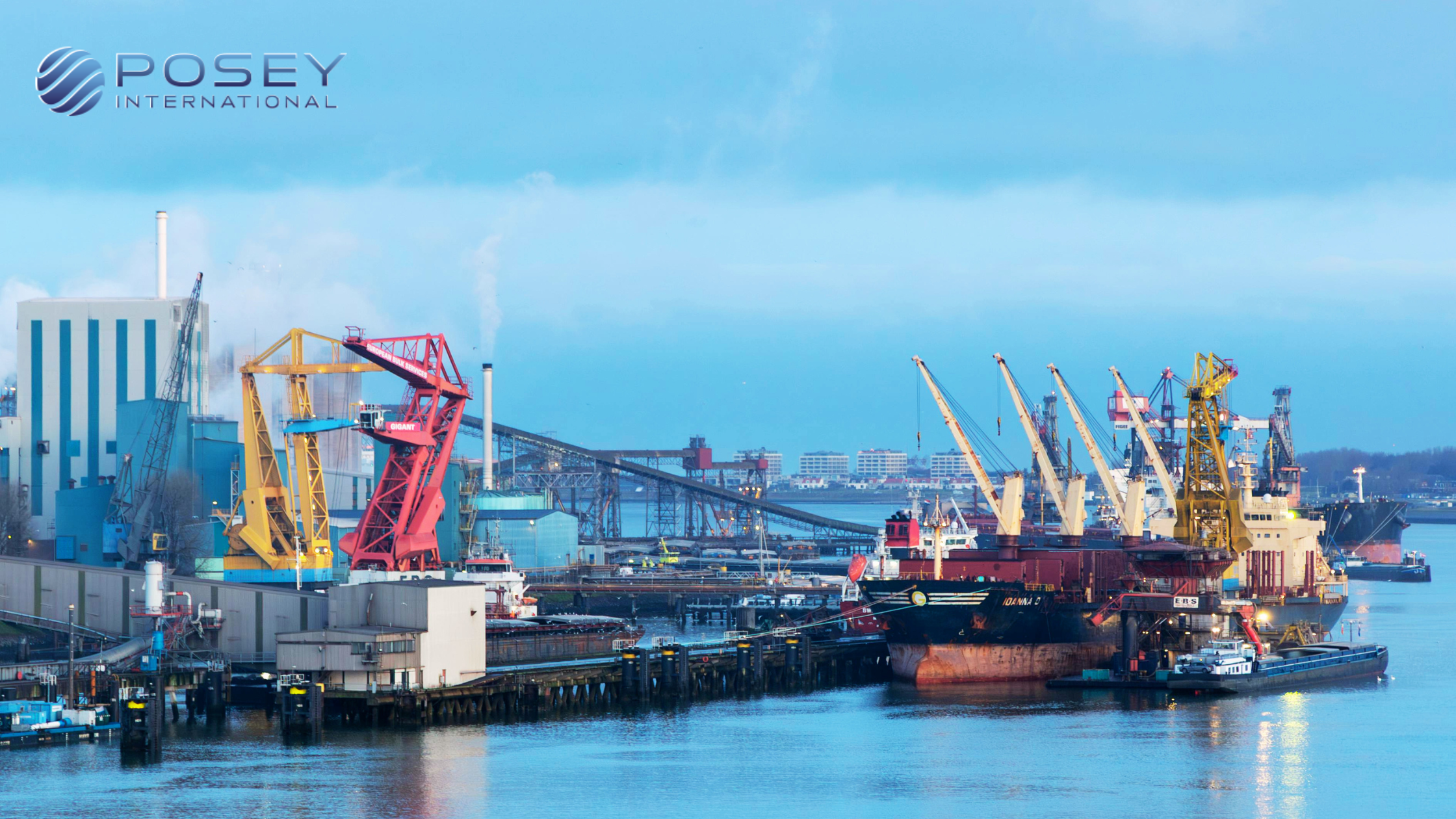
The Port of Houston moves more foreign waterborne tonnage than any other port in the United States. That scale is exactly why it rewards—and punishes—how a shipment is handled.
For companies importing or exporting through Houston, understanding how the port actually works isn’t optional research. It’s the difference between predictable freight costs and a demurrage bill that erases the margin on the shipment.
Why the Port of Houston Is Different From a Typical Port
Houston isn’t one terminal—it’s a system. Barbours Cut and Bayport aren’t interchangeable. Each runs its own truck appointment system, and each has its own patterns of congestion depending on vessel rotation and season.
A forwarder who only knows one terminal well will misjudge timelines at the other—which is a common reason first-time importers get surprised by delays they weren’t warned about. Here’s the reality: two shipments with identical cargo can have very different timelines depending on terminal congestion, vessel rotation, and whether the importer has a bonded warehouse arrangement lined up in advance.
Peak season—typically late summer through early fall, as retailers stock up ahead of the holidays—compounds all of this. Appointment slots fill faster, chassis pools run thinner, and the margin for documentation errors gets even smaller.
The Shipping Process, Step by Step
- Vessel booking and routing. The carrier’s rotation determines which Houston terminal the container lands at. A knowledgeable forwarder checks this before the shipment leaves origin, not after it arrives, because drayage arrangements need to be terminal-specific from the start.
- Pre-arrival documentation. U.S. Customs and Border Protection requires an Importer Security Filing (ISF) at least 24 hours before the vessel loads at the foreign port—not before it arrives in Houston. Missing this window triggers automatic penalties, and it’s one of the most common first-time-importer mistakes.
- Customs clearance. This is where licensed expertise pays for itself. A customs broker classifies the goods under the Harmonized Tariff Schedule, calculates duties, and files an entry with CBP. Errors here don’t just cause delays—misclassification can trigger audits months after the shipment has already cleared and left the port.
- Container release and drayage. Once customs releases the container, it still has to physically move off the terminal. Chassis shortages and appointment-system bottlenecks are common at Houston’s busiest terminals, so forwarders who maintain established drayage relationships avoid the worst of the queue. This step is where a lot of avoidable demurrage gets racked up—not because customs is slow, but because nobody booked the truck appointment in time.
- Final delivery or bonded storage. Some cargo moves straight to the importer’s facility. Other shipments—particularly those awaiting further processing, labeling, or re-export—go into a bonded warehouse first, where duties can be deferred until the goods actually enter U.S. commerce.
What Trips Up First-Time Importers
Most of the costly mistakes at the Port of Houston aren’t about the shipping itself — they’re about timing and documentation gaps that only show up once cargo is already in transit.
So what does that actually look like in practice? Some common issues include:
- Incomplete or inaccurate commercial invoices, which delay entry filing and can trigger a CBP document request
- Missing or expired customs bonds on high-value or restricted shipments
- Underestimating drayage lead time during peak season congestion
- Assuming ocean freight and customs clearance can be coordinated by separate vendors without friction
- Waiting until the container is on the water to start researching HTS classification, instead of confirming it before the shipment ever leaves origin
That last set of points matters more than it sounds. When ocean freight and customs clearance are handled by different companies, someone has to manage the handoff between them—and every handoff is a place where a shipment can stall while two vendors wait on each other.
Why an Integrated Freight Forwarder Matters Here
Posey International has operated in and around the Port of Houston for more than 50 years, running freight forwarding and customs brokerage under one roof rather than splitting the two functions across separate vendors. That structure removes the coordination gap that causes many of the delays described above—the same team tracking the vessel is filing the entry, not waiting on a phone call from someone else’s office.
For shipments continuing to Mexico, that same coordination extends south. Posey’s Brownsville office, sitting directly on one of the busiest US-Mexico crossing points, means cargo moving through Houston toward cross-border destinations doesn’t require a second, separate broker relationship once it leaves the port.
Choosing a Freight Forwarder for Houston Shipments
Not every freight forwarder in Houston has direct experience with all of its terminals. Before committing to one, it’s worth asking:
- Does the forwarder have established drayage relationships at the specific terminal your cargo will use?
- Is customs brokerage handled in-house, or outsourced to a separate vendor?
- What’s their track record with ISF compliance and avoiding CBP penalties?
- Do they have bonded warehouse access for cargo that needs short-term storage after release?
- How do they communicate delays—proactively, or only after the demurrage clock has already started?
The short answer is that scale alone doesn’t guarantee smooth clearance. Terminal-specific experience and integrated customs handling matter more than the size of the forwarder’s network.
Frequently Asked Questions
How long does customs clearance take at the Port of Houston?
Most straightforward shipments clear within 24 to 48 hours of vessel arrival, assuming documentation is complete and accurate. Missing paperwork, HTS misclassification, or a CBP exam can extend that to a week or more.
What is an Importer Security Filing, and when is it due?
The ISF is a set of cargo details CBP requires from importers of ocean freight. It’s due at least 24 hours before the vessel loads at the foreign port of origin — not before arrival in Houston — and late filing carries automatic penalties.
Can one company handle both freight forwarding and customs brokerage?
Yes. Some freight forwarders hold customs broker licensing in-house, which eliminates the coordination delay that happens when a shipper uses separate vendors for each function.
What happens if a container isn’t picked up after customs release?
Demurrage charges begin accruing once the free time allotted by the terminal expires, regardless of whether the delay is caused by drayage availability, paperwork, or scheduling.
Is there a freight forwarder near the Port of Houston with local terminal experience?
Companies searching for a freight forwarder near the Port of Houston should look for one with direct, ongoing terminal relationships rather than a general national network—local drayage and appointment-system familiarity often matters more than company size.
Shipping through the Port of Houston isn’t luck
Businesses that pair the right terminal knowledge with integrated customs handling tend to avoid the delays that catch everyone else off guard.
Posey International has spent more than 50 years doing exactly that—running freight forwarding and customs brokerage under one roof for shippers moving cargo through Houston. Companies planning an import or export through the port can reach Posey International’s Houston team for a freight quote before the next vessel booking.